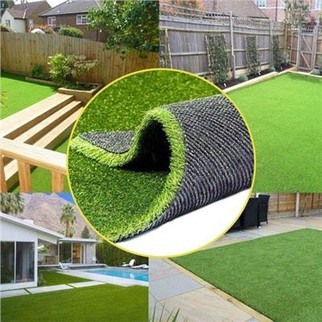
Artificial turf has become a popular choice for homeowners, sports facilities, and public spaces due to its durability, low water consumption, and year-round green appearance. However, like any outdoor surface, it requires proper maintenance to preserve its look and extend its lifespan. With simple, regular care, your artificial grass can stay in top condition for over a decade.

First and foremost, routine cleaning is key to preventing debris buildup. Leaves, twigs, and dirt can accumulate on the turf surface, especially after windy or rainy weather. For light debris, a leaf blower or a soft-bristle broom works best-avoid hard brushes, as they may damage the grass fibers. For more stubborn dirt, such as mud or food stains, use a garden hose with a low-pressure nozzle to rinse the area gently. For oily or sticky stains (like chewing gum), apply a mild detergent mixed with warm water, scrub lightly with a soft brush, and then rinse thoroughly. Never use harsh chemicals like bleach or solvent-based cleaners, as they can fade the turf color and break down the synthetic fibers.
Second, regular inspections help catch small issues before they become big problems. Check the turf for loose seams, damaged edges, or flattened areas every few months. High-traffic spots, such as near doorways or play areas, may need extra attention-you can fluff the flattened fibers with a broom to restore their upright position. If you notice loose seams, use a specialized artificial turf adhesive to reattach them promptly. Also, inspect the infill (the material beneath the grass fibers, usually made of sand or rubber) to ensure it is evenly distributed. Over time, infill may shift or settle, so top it up with the same type of material as needed to maintain proper cushioning and support.
Third, handling special situations correctly is crucial for long-term turf health. In areas with heavy snowfall, remove snow as soon as possible to prevent it from freezing and weighing down the turf. Use a plastic shovel or a snow blower with a rubber blade-metal tools can scratch or cut the grass fibers. During hot summer months, artificial turf can get warm, but this is normal and safe. You can cool it down by spraying a light mist of water, which also helps keep the fibers flexible.
In conclusion, maintaining artificial turf is simple and straightforward. By following these basic tips-regular cleaning, frequent inspections, and proper handling of special situations-you can keep your artificial grass looking green, fresh, and inviting for many years to come. It's a low-effort investment that pays off with long-lasting beauty and functionality.