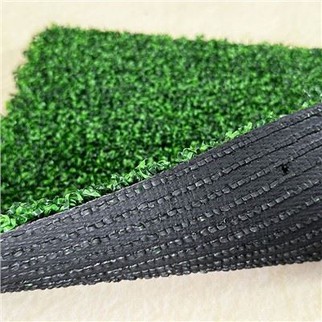
When it comes to choosing a surface for gardens, sports fields, or recreational areas, both artificial turf and natural grass offer unique advantages. Understanding their differences can help individuals and communities make the best choice for their needs, all while enhancing the beauty and usability of outdoor spaces.
**Appearance and Maintenance**
Natural grass provides a timeless, lush green look that many people associate with peaceful, natural environments. It supports local ecosystems by providing a habitat for insects and small wildlife. Caring for natural grass involves regular watering, mowing, and occasional fertilizing, which allows gardeners to connect with nature and enjoy the seasonal changes in their landscape.
On the other hand, artificial turf offers a consistently vibrant appearance year-round. It remains green and neat regardless of weather conditions, making it an excellent choice for areas that experience drought or heavy foot traffic. Maintenance is simplified since it requires no watering or mowing, freeing up time for other activities and reducing water consumption.
**Environmental and Practical Benefits**
Natural grass naturally cools the surrounding environment through a process called evapotranspiration, which can help moderate temperatures in outdoor spaces. It also plays a role in carbon dioxide absorption and oxygen production, contributing positively to air quality. Additionally, natural grass surfaces can be softer underfoot, providing a comfortable experience for outdoor activities.
Artificial turf complements these benefits by offering durability and versatility. Its resilience makes it an excellent option for sports fields, playgrounds, and commercial areas where heavy use is common. Modern artificial turf products are designed with improved materials that provide excellent drainage and reduce the need for harmful pesticides or fertilizers, supporting eco-friendly practices in urban settings.
**Long-Term Value and Usage**
Choosing between artificial turf and natural grass often depends on lifestyle and usage preferences. Natural grass creates a dynamic, living landscape that changes with the seasons, offering a sensory-rich experience. It encourages outdoor activity and gardening, which many find rewarding and relaxing.
Artificial turf shines in settings where ease of use and consistent quality are prioritized. It allows for extended use without downtime due to weather or maintenance, making it ideal for busy athletic programs and commercial venues. Its low-maintenance nature also means it can save resources over time while keeping outdoor spaces inviting and functional.
**Conclusion**
Both artificial turf and natural grass bring distinctive benefits to outdoor environments, enhancing aesthetics, recreation, and environmental quality in their own ways. By appreciating their unique qualities, we can thoughtfully select the right surface to create beautiful, sustainable, and vibrant spaces that enrich our lives and communities.